Claimed by Gottfried Wilhelm Leibniz
Serves 6 · 3 of 8 items checked · 7 aisles
Produce
Meat & Poultry
Dairy & Eggs
Oils & Vinegars
- Checked by John Locke
Pantry / Durable
- Checked by Gottfried Wilhelm Leibniz
- Checked by Isaac Newton
Gathering
1700 · Hanover, Germany
Leibniz hosts Newton and Locke in Hanover and makes the case for his monads and his best of all possible worlds.
Leibniz has spent years at the Hanover court and has built a household that is part library, part laboratory, part archive. Newton and Locke, both in Germany on other business, have accepted his invitation, and he means to show them that his philosophy is not the fantasy they suspect.
Over capon, blancmange, and wafers, Leibniz explains his monads and the pre-established harmony that makes mind and body run together without touching. Newton finds it ingenious and unnecessary; Locke finds it unfalsifiable and says so. The old dispute over the calculus is not mentioned until the wine, and then only once. Leibniz, who has never minded being the most optimistic man in the room, takes the evening as a success.
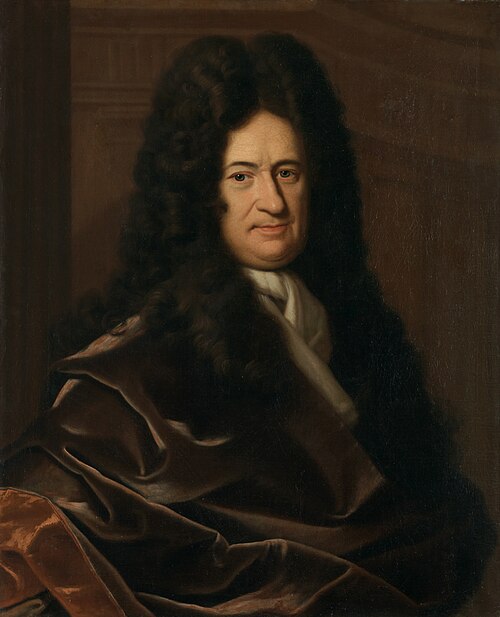
Host: Gottfried Wilhelm Leibniz
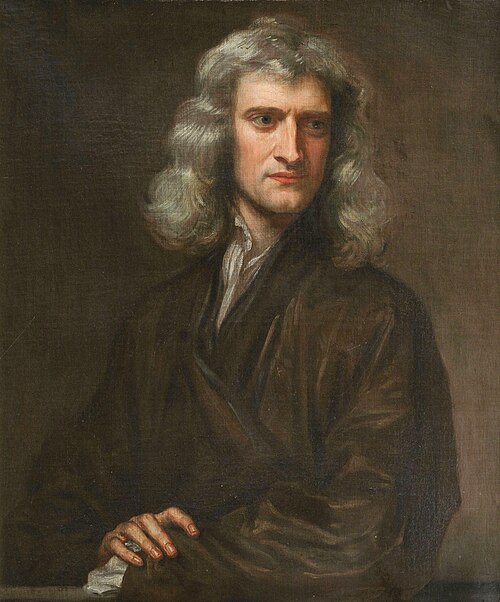
Isaac Newton — Leibniz's rival over the calculus, and never comfortable in company.
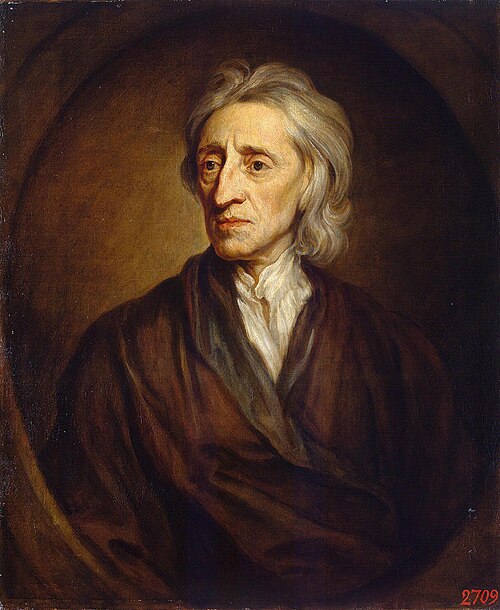
John Locke — Empiricist philosopher, constitutionally suspicious of grand systems.
Everything you need to host this menu, sorted aisle by aisle:
The menu
8 of 25 items checked
Claimed by Gottfried Wilhelm Leibniz
Serves 6 · 3 of 8 items checked · 7 aisles
Claimed by Isaac Newton
Serves 6 · 1 of 5 items checked · 3 aisles
Claimed by John Locke
Serves 24 · 2 of 5 items checked · 3 aisles
Claimed by Gottfried Wilhelm Leibniz
Serves 4 · 2 of 7 items checked · 5 aisles
Gottfried Wilhelm Leibniz
My notation makes the calculus speak — dy over dx, a language anyone can learn. Yours keeps it a private art.
Isaac Newton
I had the method before you published, and I used it to find gravitation. Priority is a matter of record.
Gottfried Wilhelm Leibniz
Then let the record show two men found it. As for the world, God set mind and body like two clocks to keep the same time.
John Locke
Two clocks that never touch, and yet agree — I would want to see the mechanism.
A reconstruction — imagined from the figures' own writings.
This gathering is an editorial recreation grounded in the biographies of those present; it did not necessarily take place as described.