Claimed by John Locke
Serves 8 · 2 of 6 items checked · 4 aisles
Produce
- Checked by Isaac Newton
Meat & Poultry
Spices & Seasoning
Other
- Checked by John Locke
Gathering
1690 · London, England
Locke, newly returned from exile, explains the Essay and the Treatises to Newton and Leibniz at his own table.
Locke has returned to England after the revolution and published both the Essay Concerning Human Understanding and the Two Treatises of Government in the same year. He has invited Newton, whose Principia he has been reading, and Leibniz, whose metaphysics he cannot quite accept.
The table talk is about where ideas come from and where authority comes from. Locke argues that the mind begins empty and that government begins in consent; Newton, who has his own reasons for distrusting speculation, agrees about the first more readily than the second; Leibniz, who believes in innate ideas and in a pre-established order, disputes both. They eat a roast goose, buttered peas, and an apple tart, and the disagreement is as amiable as such things get.
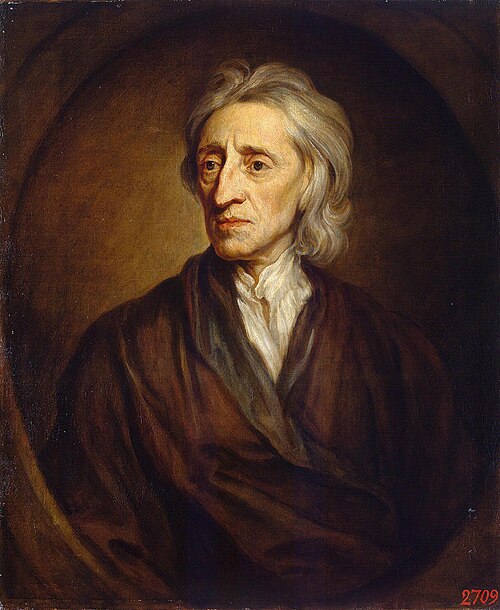
Host: John Locke
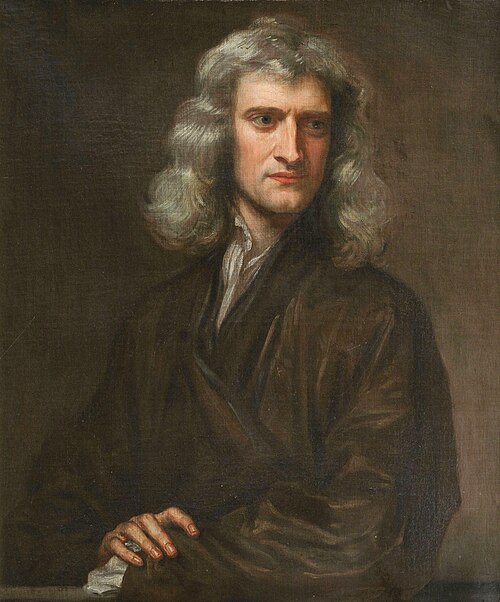
Isaac Newton — President of the Royal Society and the most famous natural philosopher in England.
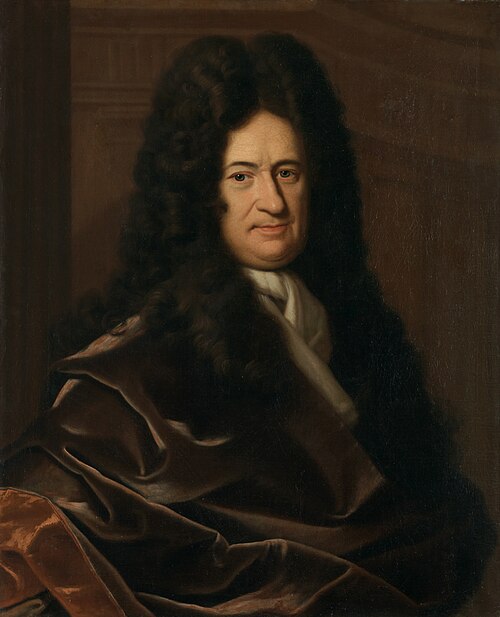
Gottfried Wilhelm Leibniz — Hanoverian court counsellor, in London on diplomatic business.
Everything you need to host this menu, sorted aisle by aisle:
The menu
7 of 22 items checked
Claimed by John Locke
Serves 8 · 2 of 6 items checked · 4 aisles
Claimed by Isaac Newton
Serves 4 · 2 of 5 items checked · 3 aisles
Claimed by Gottfried Wilhelm Leibniz
Makes 2 loaves · 1 of 5 items checked · 5 aisles
Claimed by John Locke
Serves 8 · 2 of 6 items checked · 5 aisles
John Locke
Men are by nature free and equal, and government is a trust they may revoke. Life, liberty, and property precede the state.
Isaac Newton
A trust is a fine thing in politics. In nature I trust only what I can measure — and I have measured the fall of the apple.
Gottfried Wilhelm Leibniz
Your fluxions and my differentials describe the same change. That is the quarrel neither of us can settle by force.
John Locke
Then let us settle the other quarrel by consent, and leave the mathematics to the mathematicians.
A reconstruction — imagined from the figures' own writings.
This gathering is an editorial recreation grounded in the biographies of those present; it did not necessarily take place as described.