Claimed by John Locke
Serves 6 · 2 of 6 items checked · 5 aisles
Produce
Dairy & Eggs
- Checked by John Locke
Oils & Vinegars
Pantry / Durable
- Checked by Gottfried Wilhelm Leibniz
Gathering
1685 · Amsterdam, Netherlands
In exile, Locke argues for toleration with Leibniz and Newton, and finds the limits of his own principle.
Locke is living quietly in Amsterdam, out of reach of the English court, and writing the Letter Concerning Toleration. Leibniz is passing through on diplomatic business, and Newton has come to the continent for reasons of his own.
The three of them talk about what a state may require of a conscience. Locke argues for a wide liberty of belief and worship; Leibniz, whose patron is Catholic, wonders whether toleration can extend to those who would not tolerate others; Newton, whose private theology is decidedly unorthodox, has the most to lose and says the least. They eat an eel pie, a pease pottage, and a syllabub, and Locke's principle comes out of the evening with a few new qualifications.
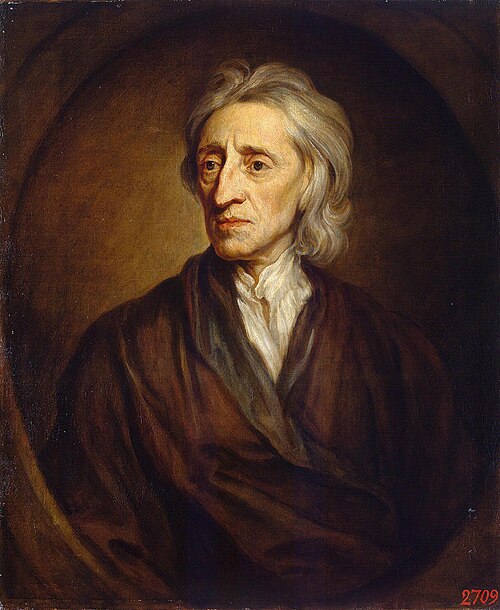
Host: John Locke
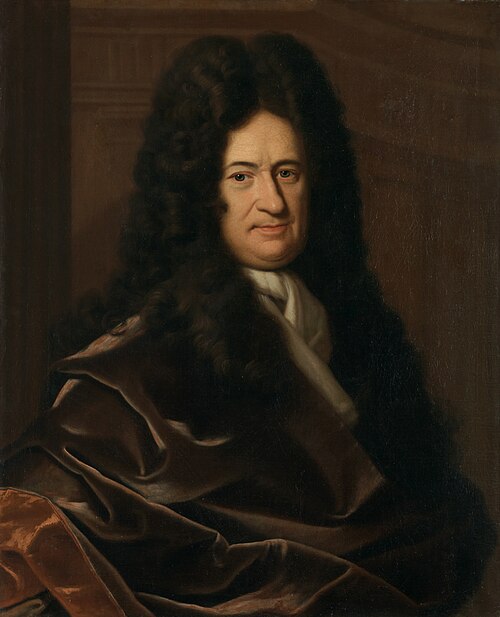
Gottfried Wilhelm Leibniz — Catholic courtier, testing the limits of a Protestant argument.
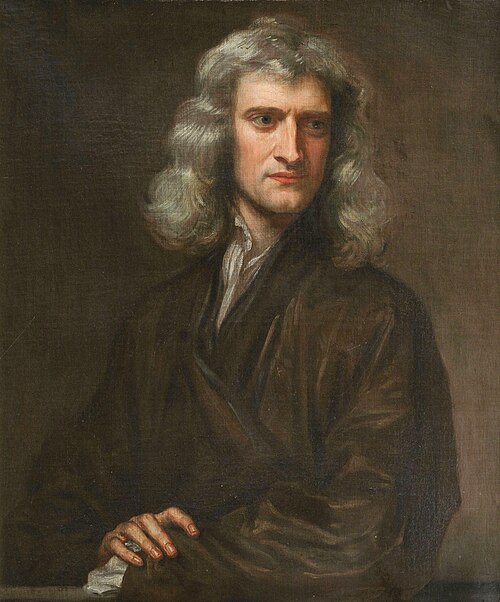
Isaac Newton — In exile from controversy of his own, and careful with his words.
Everything you need to host this menu, sorted aisle by aisle:
The menu
8 of 23 items checked
Claimed by John Locke
Serves 6 · 2 of 6 items checked · 5 aisles
Claimed by Gottfried Wilhelm Leibniz
Serves 8 · 2 of 7 items checked · 3 aisles
Claimed by Isaac Newton
Makes 1 loaves · 2 of 5 items checked · 3 aisles
Claimed by John Locke
Serves 6 · 2 of 5 items checked · 4 aisles
John Locke
I wrote in a city that shelters every sect, and it convinced me: the magistrate has no business in the soul.
Gottfried Wilhelm Leibniz
Toleration is wise, but order is also a good. A state that permits all may find itself permitting its own dissolution.
Isaac Newton
I have lived under both. I will say only that a man should be free to read his Bible and measure his comet without leave.
John Locke
Then we agree on the liberty, if not on the harmony.
A reconstruction — imagined from the figures' own writings.
This gathering is an editorial recreation grounded in the biographies of those present; it did not necessarily take place as described.